
everyone’s a social expert

It’s happened to all of us in this space.

Comments in meetings. Replies to emails. Chats on Skype/Zoom/Teams/whatever messaging platform you use.

With feedback, comments, criticism or non-constructive questions regarding what you’re doing on your brand’s social media.

If you’re a social media specialist or manager, or play a part in your brand’s social media strategy or content production/posting, you know what I’m talking about…

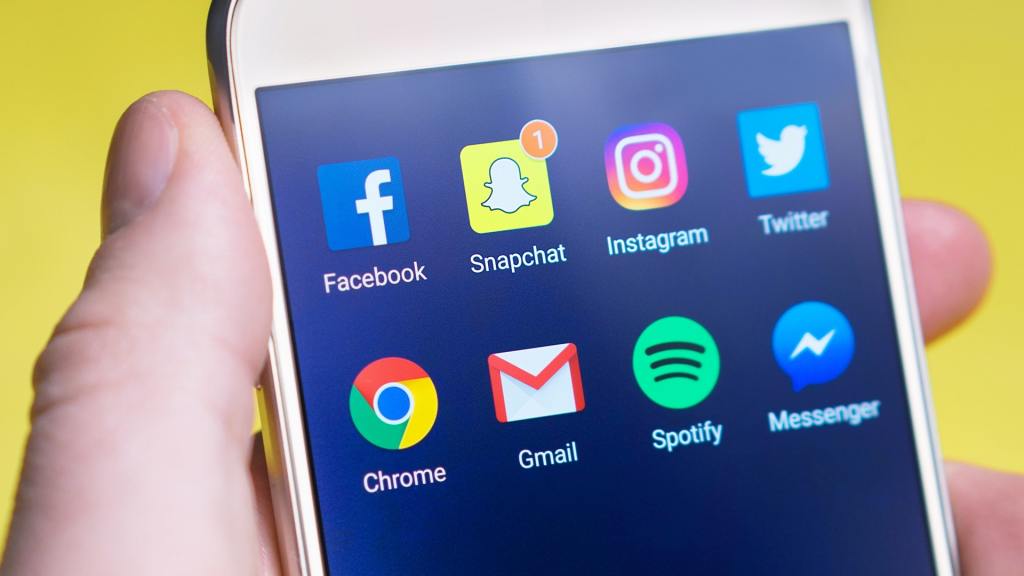
Everyone thinks they are a social media expert.

And while I appreciate people taking the time to provide feedback, comments or criticism, and I know they mean well, I must say:

Just because you have a personal social media account, or follow other businesses on your personal accounts, doesn’t mean you’re a social media expert.

And one of the worst things you can do is question or criticize what the social media channel owner is doing (unless you’re their boss of course).

So you don’t just think I’m a non-team player who can’t accept feedback or collaborate with others, let me tell you why I believe this.

  • The job is more than just posting content. There is a significant amount of research and work that goes into it. You need to know and embody the brand and tone. There must be audience research and analysis, with full understanding of existing customers, ideal prospects, and social media followers. This includes all of the demographics and psychographics you can get your hands on so that you’re developing content that speaks to that audience, engages with them, and builds a relationship. And then developing content to fit those needs.
  • Which leads me to my next point, content isn’t just content. Everything you post has to have a purpose, whether it’s to increase brand awareness, connect with leads or prospects, engage your current followers, share news about your brand, etc. It must be developed and posted strategically. It’s not just whatever the specialist decided they wanted to post that day. You have to stay on top of industry trends and topics, crises in the news, and feedback about the brand, and post content your audience needs or wants.
  • Each platform is different. The audiences are different. It’s not best practices to post the same content, so you’ll need different content strategies for each. Each has nuances that you need to be on top of to make sure people see what you post. Reporting is different, setting up paid campaigns is different… it’s all different. And if your company is on more than one platform, it’s quite a bit to juggle.
  • You must constantly monitor and engage with those who engage with you, as well as consistently keep an eye on your page’s metrics. This includes reach, engagement (likes, comments, shares), click through rate, etc. You must know how to pivot when a post isn’t working, or how to adjust if something is working really well. It’s critical to respond to those who leave comments or send you messages, because this day in age, people expect nearly instant responses to their questions and comments.
  • Social media changes almost daily. There are new platforms. Algorithms change regularly, which means you may have to change how, when or what you post or advertise. There are regular privacy updates, new regulations, and recommendations for ensuring your posts are seen. And it doesn’t just come from the social media platforms. It can come from mobile carriers, Apple, Google, etc. And as a social media manager/specialist, you need to stay in-the-know about all of it, or risk your posts or ads being denied, suppressed, etc.
  • You’re often seen as the “face” of the brand. And there’s a lot of pressure in that. You have to deal with happy or angry customers or prospects, know how to answer questions, educate, inspire and engage with audiences while also on the down-low promoting your brand.
  • If you’re responsible for paid ads, you’re also responsible for a return on investment in social. You may have to meet certain conversion rates, costs per conversions, click through rates or engagements. You may have to report the number of leads, new customers or sales you get from a paid campaign. And when budgets get involved, the pressure is upped a notch. Because now you have to prove you deserve that budget and it’s contributing to the company’s bottom line.

I’ll step off my soapbox now, thanks for reading. But these are just a few reasons I think it’s important we give social media managers and specialists the kudos they deserve.

So next time you see your social media person, give them a socially-distant hug. Or air high-five. Or at least smile. And stop telling them how to do their jobs. Because it’s not the same as posting pictures of your dog or checking in at your favorite restaurant on your personal page. They aren’t playing around on Facebook or scrolling through Insta for fun. It’s quite a bit of strategy, research, analysis, development and work to ensure success for your brand.

This post was inspired by a friend, a social media specialist, who has regular interactions with others who challenge their knowledge of their channel. I felt it was my responsibility to bring these issues to light on my own platform so that we can all learn from these experiences.


creating my hashtag strategy

A few weeks ago I wrote an industry article about how to create a hashtag strategy. While I’ve worked in the social media industry for years, I did learn a few things about hashtag strategies and tools that I thought were really interesting. I also realized that while I use hashtags on my business Facebook and Instagram page, I don’t have an actual strategy.

So this week, I’m going to share step-by-step what I did to develop my own hashtag strategy. If you don’t have one but are posting on social media, I encourage you to read that industry article and follow these steps yourself.

First, I checked out some others in the marketing industry to see what types of hashtags they are using, and how many they use per post. I did this over a period of a week or so, and it was easy with the new Facebook business timelines.

  • Together Digital: marketing, networking, womenindigital, marketer, womeninbusiness, digital marketing, socialmediamarketer, womeninadvertising, digitalmarketingexpert, socialmediamarketing, digitalinfluencer, womenownedbusiness, womensempowerment
  • Hootsuite: digital2021
  • Content Marketing Institute: contentmarketing
  • Hubspot: CRM
  • Small digital/content/social media marketing agencies: socialmedia, writing tips, writinginspiration, personalbranding, branding, brand, business, businesswomen, entrepreneur, marketing, marketingstrategy, socialmediamarketing, knowledge, digital marketing, branding, brand, SEO, copywriting

Interestingly enough, I found that a lot of larger industry friends, like Hubspot and Hootsuite, rarely used hashtags even on Instagram. I also found that many of the smaller agencies used the same several hashtags for each post, even though they weren’t related directly to the brand but instead the industry.

That being said, I know the importance of the hashtags and decided I would still utilize them regularly and strategically in my posts.

Additionally, I did some research on what those industry leaders said about hashtag use and strategies, including Hootsuite, Hubspot, Sprout Social, etc. I read about how they recommend posting about marketing, content and social media, and noted some of the suggestions they made.

Next, I decided to tap into the tools of Hashtagify.me and RiteTag.

Hashtagify.me gave me the following recommendations related to digital marketing, content marketing, and social media marketing:

  • marketing
  • socialmedia
  • SEO
  • SMM
  • growthhacking
  • contentmarketing

Turns out you can’t do much with these tools without signing up/paying for a subscription, but I did what I could with the “free” access.

So next I turned to Instagram. In the Explore tab, I searched a few keywords to see what the most popular tags were.

  • Marketing: marketing, marketingstrategy, marketingdigital, marketingtips, marketingagency, marketingideas
  • Digital Marketing: digitalmarketing, digitalmarketingagency, digitalmarketingtips, digitalmarketingexpert, digitalmarketingstrategy, digitalmarketingtools
  • Social Media: socialmedia, socialmediamarketing, socialmediamanager, socialmediatips, søciålmediastrategy, socialmediamanagement, socialmediamarketingtips
  • Content Marketing: content marketing, contentmarketingtips, contentmarketingstrategy, contentmarketing101, contentmarketingexpert
  • Blog: blogger, blog, bloggersofinstagram, bloggerlife, blogpost, bloggers

After all of this research, I found that even though I didn’t have an actual “strategy” per say, I was using the recommended number of hashtags per post and the hashtags I was using tended to align with recommendations across the industry and social channels.

At the end of the day, I determined not much is going to change about how I currently use hashtags. However, I will be more strategic about the hashtags I use about other, more specific topics (like SEO, organic social media, SEM, etc.) I’ll also continue actively monitoring others I follow to be more aware of how they use hashtags, and what their post engagement looks like.

Again, if you don’t currently use hashtags, or you do but aren’t strategic about it, I recommend you spend some time putting together a plan or researching how you can use them better. Perhaps you’ll just keep doing what you’re doing. Or, perhaps you’ll learn something new, or better yet, get better reach and engagement on your posts and increased followers on your pages.

2021 social media trends to watch

It should come as no surprise that Statista reported a 21% increase in monthly social media usage this year.

Due to the global pandemic, people turned to social media to connect with loved ones, follow the latest news coverage, shop and find new products, and mindlessly scroll for entertainment.

With more than 3.6 billion people using social media worldwide, and that number expected to continue to increase, brands are now wondering how to continue to engage with their audiences on social, as well as what to plan for in 2021.

With some research, I’ve gathered eight social media trends for marketers to watch in 2021.

  1. Less quantity, more quality

In 2020, you may have noticed many brands posted less often, but created more thoughtful, engaging content. This trend will likely continue in 2021.

Brands had to ask themselves “Do my followers even want to hear from me? Do they care about this content right now?” I’d venture to guess a lot of times, the answers were no. Creating and providing value for your audiences will be key. Focus on producing quality content that your audience cares about and can gain value from instead of posting just to post.

This trend will hold true to paid advertising as well. 2021 will see more thoughtful ad buys, more valued partnerships, and more informed targeting.

  1. Real content

Did you notice an uptick in your favorite brands posting live streams, lower production value images and videos, and more real content? That’s because as teams transitioned to a primarily work-from-home structure, many brands had to adjust how they were creating content.

Posting real, thoughtful and honest content has always been important. Your audiences want to see who you are as a brand, and get to know you beyond your advertising and products, and in 2021 this trend will be more important than ever.

People are being more choosy and selective about how and where they spend their dollars, and what brands they choose to support during these difficult times. Make it easier for them – don’t shy away from live streams and content made from your home office. People want to see that.

  1. Selling vs. helping

A lot of brands use social media as another avenue to sell their product or service. And with access to essentially limitless prospective customers, it’s easy to forget the purpose of social – connection and engagement.

Over the past couple of years, consumers are wising up and engaging less with the brands and companies who are constantly pushing a product. They aren’t offering anything of value or importance to the consumer, other than brand recognition. And in the long run, you may be annoying those customers enough that they will avoid you when it comes time to purchase your product.

Instead of selling, follow the trend of helping. Use your social media presence to help customers, answer questions, have conversations and provide value. Be more thoughtful and empathetic in your nurturing through the funnel. Be human and engaging.

  1. Tik Tok, Instagram Reels, and Stories

Short, snack-able and eye-catching content will reign in 2021. With the rise of Tok Tok, Instagram Reels, and the continued popularity of Stories (Facebook, Instagram, Snapchat), brands should focus on content that doesn’t break the attention span.

Graphics, memes, infographics and gifs continue to prove popularity. Additionally, short videos (10-20 seconds) will become increasingly important. Tell stories about your products/services, brand or employees. Go behind the scenes, engage with current events, or simply entertain.

  1. Go live

I touched on it in #1, but I’ll say it again. Live video is key this year. In addition to video content being more popular and engaging than ever, live video gives you the opportunity to stream events, marketing experiences, Q&As, tutorials, and other content for your consumers. It’s real, it’s raw, and it’s something positive that came out of 2020.

Live videos keep your followers engaged with your brand by showing them something they might not be able to experience elsewhere. It gives them a new and different way to learn from and engage with your brand.

And, thanks to the struggles of last year, you aren’t expected to film in a production-quality screening room. Your home office can do the trick just as well.

  1. In-app shopping

This is something Pinterest mastered years ago, but other platforms like Facebook and Instagram are jumping on the bandwagon.

With new capabilities, consumers can buy a product they see in a post without even leaving the app they are on. This adds convenience for both the user and the company, because you don’t have to build a whole e-commerce store to sell your products.

This is great for small business owners who turned to crafting as a side-hustle during the pandemic and furloughs, as well as for larger brands who are looking to conveniently and effectively continue to sell products.

  1. Authenticity and trust

This has always been important, and in my opinion, one of the keys to success on social media.

However, it may be more important now than ever before.

Unfortunately, the pandemic hasn’t gone away. And people are still scared, lonely, frustrated and financially uncertain. It’s especially critical for brands to build trust with their audiences in order for consumers to identify with and invest in them.

Producing and posting authentic content, either from your employees, brand or customers, can help prospects (and existing customers) relate to you, while showing them you care about them… not just your sales.

I know your sales are important. It’s what will keep your business afloat. But, you can still improve your sales without pushing your product on your consumers. Keep existing customers coming back, and show your authenticity as a brand to build trust with prospects. They will appreciate it, connect with you, and come to you first.

  1. Prepare to pivot

If you didn’t learn this in 2020, you might have been living under a rock. Or not on Earth at all.

Last year, brands were forced to almost constantly pivot to stay afloat. Whether that was in their marketing, product offerings, or other facets of the business, COVID-19 showed us you can’t get comfortable with what you know.

Whether you had to furlough employees, transition to work from home, turn off your marketing, change your tone and how you market, create new content (everyone has to wear masks!), or something else, the trend of being able to quickly pivot your strategy won’t go away this year.

Prepare to change. Prepare for the unexpected. Be ready to pivot on both large and small scales, whether it’s your posting schedule, what you’re posting, or your paid ads.

it’s a digital world (part 1: social)

Digital marketing is fascinating. While the concept remains consistent, the execution changes almost daily. Think about social media platforms, how you use the internet, when, how and why you consume content – it’s constantly changing. Google, Facebook and other sites update their terms and advertising policies on a regular basis. That’s why it’s so important to have a digital marketing person on your team, or to hire a consultant who knows what they are doing.

While you may have a personal Facebook page, you probably don’t have the knowledge, time and effort it takes to run a successful Facebook Business page. Perhaps you read blogs, or even have a personal blog, but you may not be an expert in creating content for your business website targeted to your primary audience with the intent of increasing traffic and sales.

Or maybe you still don’t understand how all of this is important to your business and marketing plan.

I’ve pulled together a few of my favorite statistics supporting social media, content and digital marketing in a three-part blog series to help share why it’s critical to consider these tactics, and how they can help your business thrive.

Today, let’s highlight Social Media Marketing.

  • 3.5 billion people use social media, which is nearly 50% of the world population. Instagram alone has more than 1 billion users monthly. You have unlimited potential in reaching your target audience.
  • Nearly 70% of U.S. adults use Facebook. It may be the most popular platform, and one of the best to reach your potential audience.
  • 90% of millennials, 77% of Gen X, and nearly 50% of baby boomers use social media. Don’t let someone tell you that you can’t reach all generations effectively on social.
  • People spend 3+ hours a day on social media platforms. You have three hours to catch their eye with your content.
  • 54% of social users take advantage of social media to research products. It’s like another Google, but more engaging and interactive. They are looking for reviews and recommendations, they want to learn about your brand and see how you interact with your customers.
  • 71% of consumers who have a positive experience with a brand on social are likely to recommend the brand to their friends and family. Use your social presence to build your business.
  • 83% of people who sent a Tweet to a company and received a response felt better about the company and were more likely to do business with them.
  • People are 26% more likely to view ads on Twitter than any other social platform.
  • Over 46% of all social media traffic to company websites comes from LinkedIn.
  • 90% of Instagram users follow a business on the platform, and are interested in hearing from and about brands. Instagram also has the highest engagement rate with businesses.

Now, re-read all of those bullets until they sink in…

These are just a few of many eye opening stats about social platforms and their positive effect on businesses, and companies are paying attention. Marketers spent nearly $90 billion in social media ad spend in 2019, and that number is expected to continue to rise.

Each platform has their own nuances. Each has different audiences – for example, you should advertise on Instagram if you want to reach a younger audience, Facebook for an older audience, and LinkedIn for a professional audience. Each has preferences for what types of ads work best – static image? Video? Link? It can be overwhelming, which is why it can be helpful to have the help of an expert.

Also remember, it’s not all about paid advertising. It’s also about organic content and what you post on your page. It’s how you interact with your audience. Social media gives you a prime opportunity to have two-way conversations with and learn from your customers and prospects. They can leave you reviews, interact with and comment on your posts, send you direct messages – and you can respond directly back to them. It’s a chance for you to share your brand, your story, information about your products/service, educational/informational/engaging content for your followers.

With social media, you essentially have unlimited potential to share your business and interact with your customers. Do it right, and you will see increased brand loyalty and consumer engagement, and even increase in sales. Do it wrong, or don’t do it at all, and you’ll be missing out on a huge and cost-effective opportunity.

I encourage you to do some research on your own if you aren’t familiar with all of the positive effects of being active on social media as a business. Comment some of your favorite stats below!

If you want to talk further about how social media marketing can help your business, need help getting started, or would like assistance with ongoing support, send me a message today.